
05 Aug Benign Prostatic Hyperplasia (BPH): Testing, medical therapy, and who may benefit from UroLift
Bothersome urinary symptoms can creep up slowly and begin to limit sleep, travel, and daily comfort. The good news is that evaluation is straightforward and most men improve with a clear plan.
This guide explains how BPH is evaluated, when PSA testing is appropriate, how medications compare with procedures, and where UroLift may fit for eligible prostates. It closes with a candidacy checklist, practical day-of instructions, insurance notes, and scheduling tips for our North Charleston, Nexton/Summerville, Walterboro, and Summerville (Morgan Place) access points.
For appointments at Palmetto Urology, call (843) 797-6600, Monday through Friday, 9:00 am to 5:00 pm EST.
What BPH is and how symptoms show up
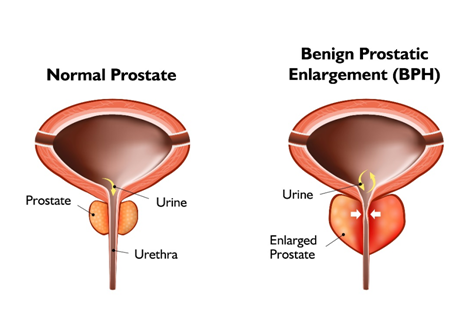
Benign Prostatic Hyperplasia is a noncancerous enlargement of the prostate that can narrow the urethra and disrupt bladder emptying. Typical symptoms include urinary frequency, urgency, slower or weak stream, hesitancy at the start, straining, a stop-and-start pattern, a feeling of incomplete emptying, and waking several times at night to urinate.
These symptoms overlap with other conditions such as infection and overactive bladder. A focused urologic evaluation distinguishes causes so treatment is targeted.
The core BPH workup
Your clinician reviews symptoms, medications, and health history, then performs a focused exam. Common tests include:
- Symptom score: a questionnaire such as IPSS to grade severity and quality-of-life impact.
- Digital rectal exam (DRE): estimates prostate size and checks for nodules or asymmetry.
- Urinalysis: screens for infection and blood.
- Post-void residual (PVR): a bladder scan right after urinating to check how much urine remains.
- Uroflowmetry: measures how fast urine flows to identify obstruction patterns.
- PSA when appropriate: interpreted in context of prostate size, trends over time, family history, and exam findings. Imaging or cystoscopy is ordered as indicated.
PSA questions, answered clearly
- Will an enlarged prostate increase PSA? Often yes. Larger prostates tend to produce more PSA. Infection, inflammation, urinary retention, recent ejaculation, cycling, and recent procedures can also raise PSA.
- What is a normal PSA level for a 60 year old? There is no single number that fits every man. Many 60-year-olds have PSA values that cluster around the low single digits, but interpretation depends on prostate size, prior values, rate of change, family history, DRE, and any recent factors that can elevate PSA. Personalized guidance is recommended.
- How is an unexpected PSA handled? Your clinician may repeat PSA after avoiding ejaculation for 48 hours, treat suspected infection, and consider trends. If concern remains, multiparametric MRI and, when appropriate, biopsy are discussed.
If you need a local team for individualized screening or follow-up, contact our North Charleston main office first. You can learn more about Palmetto Urology services and locations on our website (see Palmetto Urology North Charleston).
First-line treatment options
Many men start with lifestyle steps such as moderating evening fluids, limiting alcohol before bed, and reviewing bladder-irritant beverages. Medications are typically the next step:
- Alpha blockers: relax the prostate and bladder neck to improve flow. Benefit can begin within days. Side effects may include lightheadedness or ejaculatory changes.
- 5-alpha-reductase inhibitors: gradually shrink the prostate over months and help stabilize progression. They may reduce PSA by about half, so results are interpreted with that effect in mind.
- Combination therapy: used when symptoms are moderate to severe and the prostate is enlarged.
- Additional options: in select cases, antimuscarinics or beta-3 agonists address urgency when bladder overactivity is prominent.
Medications help many men, especially those comfortable with daily pills and routine monitoring. Others prefer a procedure to reduce dependence on medication.
Where UroLift fits
UroLift is a minimally invasive implant procedure that lifts prostate tissue to open the urethra without cutting or removing tissue. It is typically performed as an outpatient procedure with a short recovery. Many men notice improvement within weeks. Erectile and ejaculatory function are often preserved.
Who may benefit:
- Men with bothersome BPH symptoms who have a prostate size and anatomy suitable for implants.
- Men who prefer to avoid tissue removal and want to reduce or stop BPH medications.
- Men seeking a quicker return to normal activity compared with more invasive surgery.
Who may not be ideal:
- Very large prostates outside device labeling.
- Significant median lobe anatomy in some cases, depending on details.
- Active urinary infection or uncontrolled bleeding risk.
Candidacy is confirmed through exam, symptom score, uroflowmetry, PVR, and imaging or cystoscopy when needed.
Recovery expectations and preparation
Most patients go home the same day. Mild burning, urgency, or small amounts of blood in the urine can occur for several days. Light activity is encouraged, with gradual return to routine tasks over a few days. Many men resume desk work quickly based on comfort. Your clinician reviews signs that warrant a call, such as fever, heavy bleeding, or difficulty urinating.
Day-of checklist:
- Confirm arrival time and location in advance.
- Follow written instructions about food, drink, and medications. Do not stop aspirin or blood thinners without explicit guidance from your prescribing clinician and our team.
- Bring a photo ID, insurance card, and an updated medication list.
- Arrange a ride if advised.
Insurance, prior authorization, and the two-week rule
Does insurance cover UroLift? Medicare and many private insurers may cover UroLift when clinical criteria are met. Our staff assists with prior authorization and paperwork requirements. Coverage varies by plan; please confirm with your insurer.
What is the two week rule for urology? In common practice usage, it refers to timely evaluation of concerning urologic symptoms or abnormal findings so they are not delayed. At Palmetto Urology, urgent issues are triaged promptly, and most routine BPH evaluations proceed on a standard clinic timeline with clear follow-up. If you have red-flag symptoms, call us or seek urgent care as directed.
Medications or UroLift, how to decide
Consider your goals, anatomy, and tolerance for side effects:
- If your symptoms are moderate and you prefer a nonprocedural approach, medications are a good first step.
- If you prefer fewer daily pills, want faster mechanical relief of obstruction, and your anatomy fits, UroLift is a strong option that often preserves sexual function.
- Large prostates or complex anatomy may be better served by other procedures such as laser therapy or TURP. Your clinician will explain options and likely outcomes for your case.
A short in-office evaluation provides the best guidance. For coordinated BPH and UroLift counseling at our tri-county locations, call (843) 797-6600.
How to schedule in the Low Country
We see patients across:
- North Charleston, main office, scheduling hub at (843) 797-6600
- Summerville and Nexton access points, verify the site when booking
- Walterboro clinic days, confirm the calendar in advance
Scheduling staff are available Monday through Friday, 9:00 am to 5:00 pm EST. New patients should bring photo ID, insurance cards, a medication list, and completed forms if possible. Please confirm location-specific holiday hours before travel.
To learn more about urology services near you, visit our site for urology in Summerville or contact our North Charleston scheduling team for guidance.
Quick candidacy checklist
- Persistent urinary frequency, urgency, weak stream, or nighttime trips to the bathroom
- Completed symptom score and prostate evaluation
- PVR and uroflowmetry performed or planned
- PSA, urinalysis, and DRE reviewed
- Prostate size and anatomy suitable for UroLift, or alternative procedure discussed
- Medication preferences and side effects considered
- Insurance benefits checked and prior authorization initiated when needed
FAQ
- What is BPH and what are the symptoms? BPH is benign enlargement of the prostate that can cause frequency, urgency, weak stream, hesitancy, straining, incomplete emptying, and nighttime urination.
- Will an enlarged prostate increase PSA? Often yes, and PSA can also rise with infection, inflammation, recent ejaculation, urinary retention, cycling, and recent procedures.
- What is a normal PSA for a 60-year-old? There is no single normal value. Results are interpreted by trends, prostate size, exam findings, family history, and recent factors that affect PSA.
- What is the two week rule for urology? It reflects prompt evaluation for concerning findings. Our team triages urgent concerns quickly and schedules routine BPH care on standard timelines with clear follow-up.
- Does insurance cover UroLift? Medicare and many private plans may cover it when criteria are met. Our staff assists with prior authorization. Verify details with your insurer.
- How do I choose between medications and UroLift? Decide based on symptom severity, prostate anatomy, preference to avoid daily pills, recovery expectations, and the likelihood of preserving sexual function. Your urologist will guide you.
Summary and next step
BPH is common and highly manageable. A focused evaluation clarifies whether medications, UroLift, or another procedure best fits your goals and anatomy, with realistic recovery expectations and support for insurance steps. To schedule at North Charleston, Nexton/Summerville, Walterboro, or Summerville (Morgan Place), call (843) 797-6600, Monday through Friday, 9:00 am to 5:00 pm EST. For location details and services, visit Palmetto Urology in North Charleston or our Summerville urology information online.